
Composition Fundamentals
Learn to frame a scene with intention using guidelines like the rule of thirds, leading lines, and negative space, then when to break them on purpose.
Fuyeti Hayabe teaches composition, natural light, and editing basics to hobbyists across the US who want their photos to feel more like their own. No studio. No new lens. Just a clearer way of seeing what's in front of you.
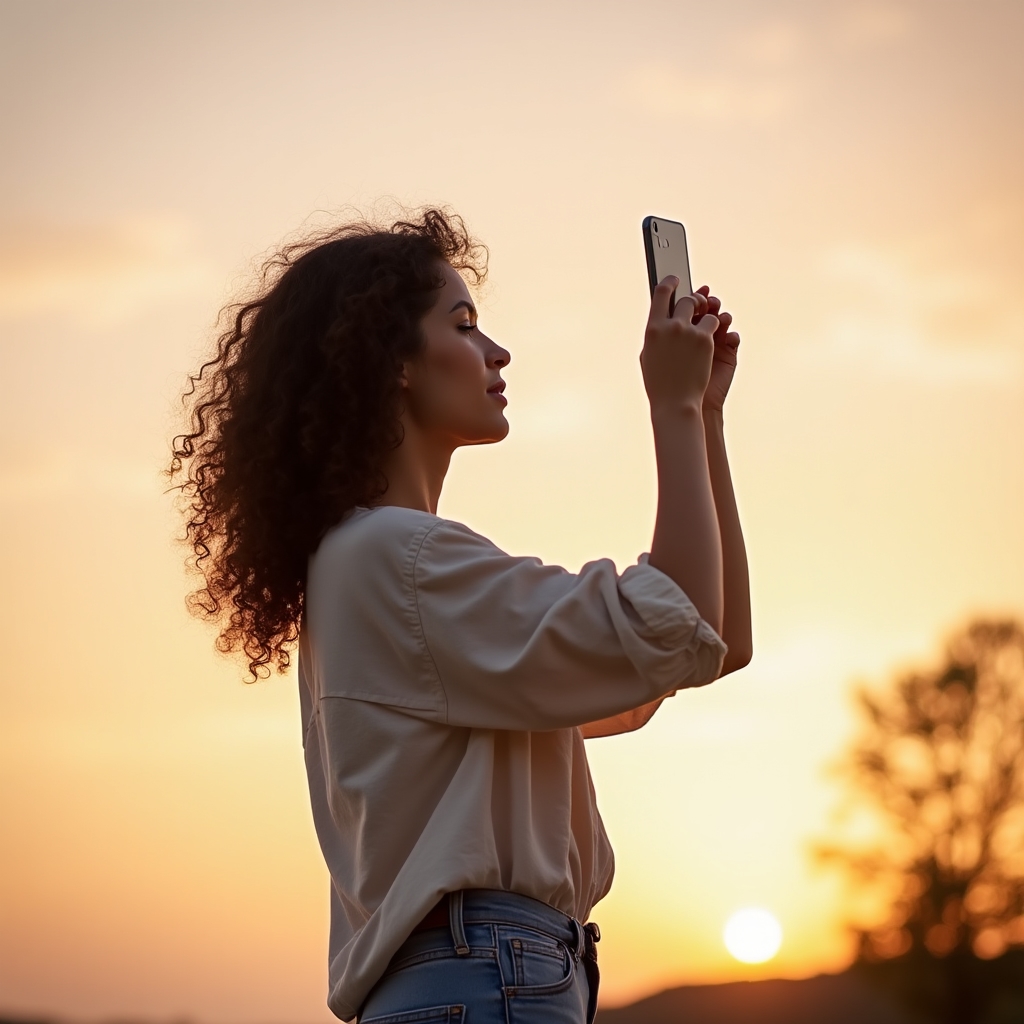
Golden Hour, Lesson 3
Reading light before you shoot
Most photography confusion comes from learning things out of order. We start with what you can control today: how you frame a shot, how you use the light around you, and how far you take an edit before it stops looking like your photo.
Learn to frame a scene with intention using guidelines like the rule of thirds, leading lines, and negative space, then when to break them on purpose.
Understand how window light, overcast skies, and golden hour change a photo's mood, and how to position a subject without any additional lighting gear.
Work through exposure, contrast, and color adjustments in a clear order using free or low-cost apps, so editing supports the photo instead of masking it.
Look at your own growing body of work to notice patterns in subject, color, and framing, then shape those patterns into a visual style you recognize as yours.
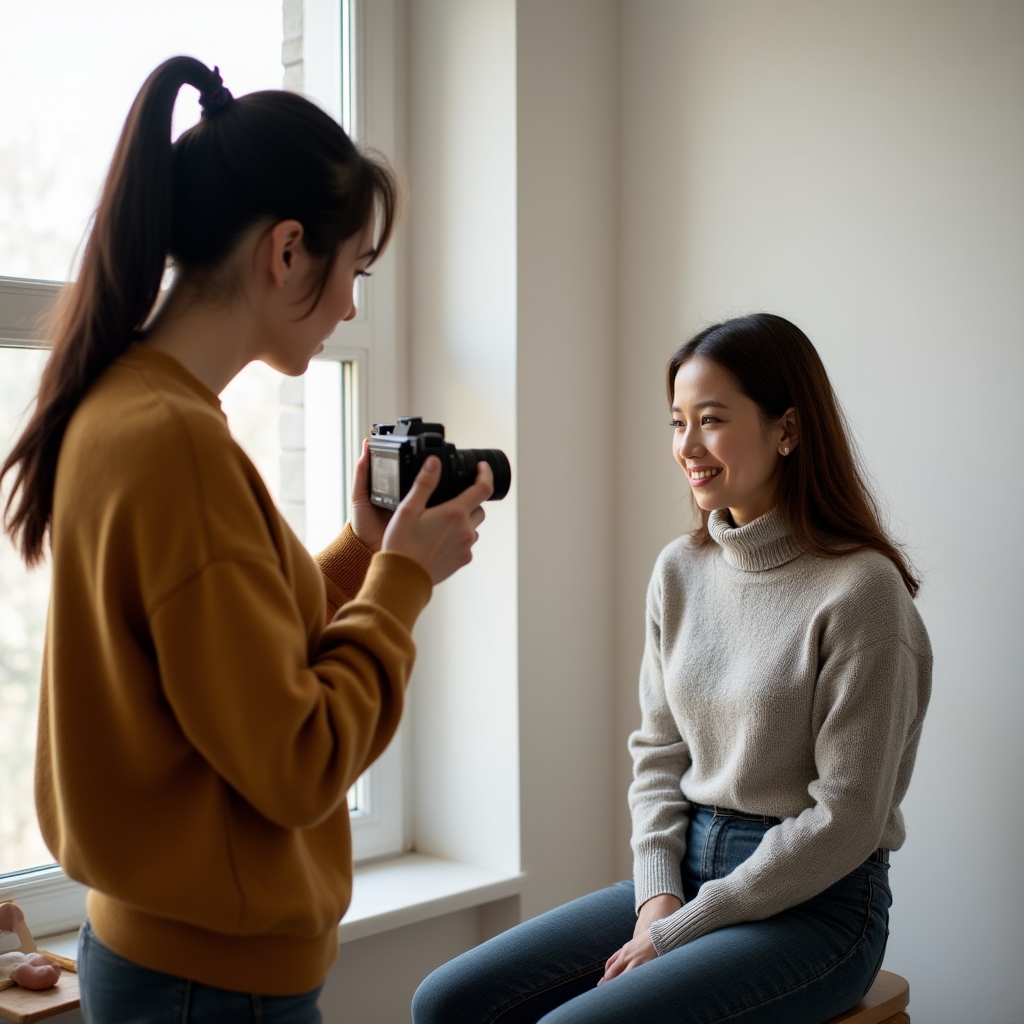
Learn to read window light, shade, and overcast conditions so your photos stop looking flat or overexposed.
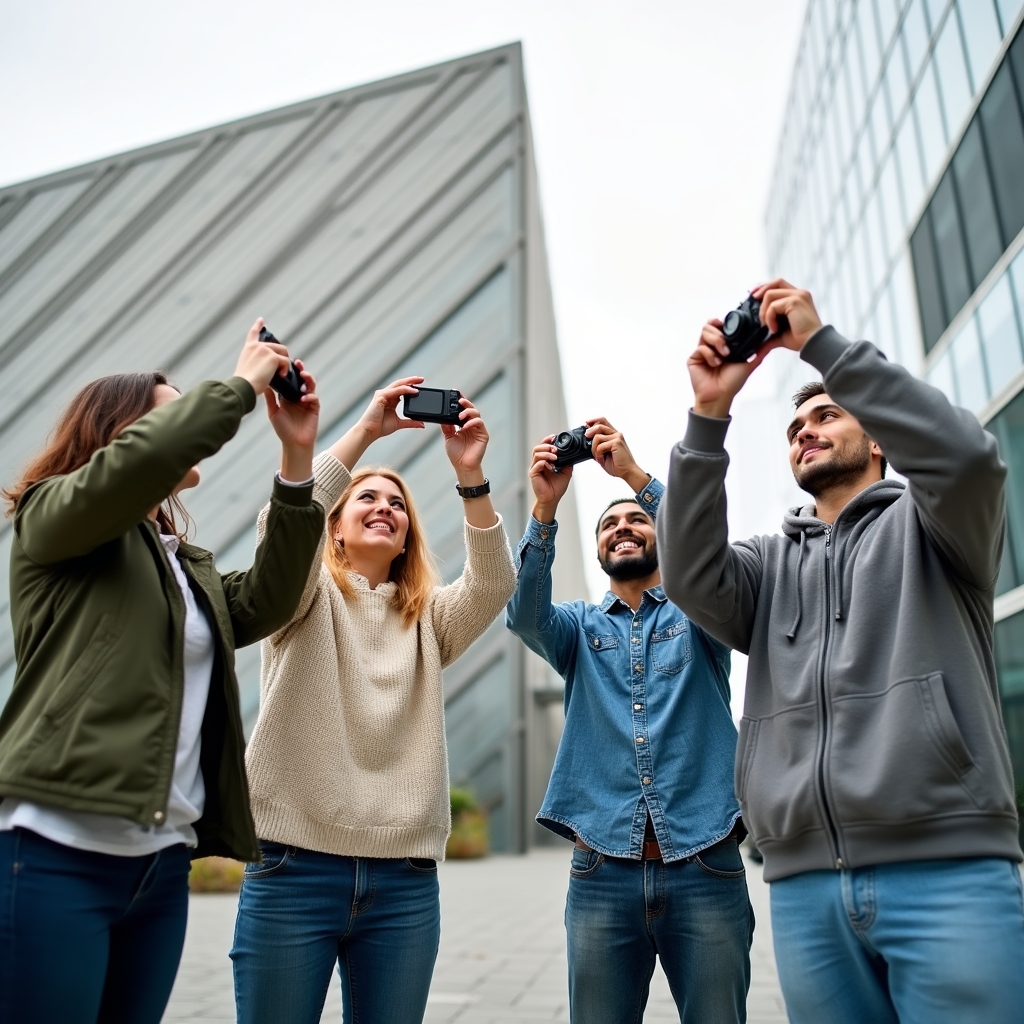
Move beyond centering your subject. Practice framing, spacing, and depth using scenes you already walk past daily.

A step-by-step approach to exposure, white balance, and color that keeps edits believable and consistent.
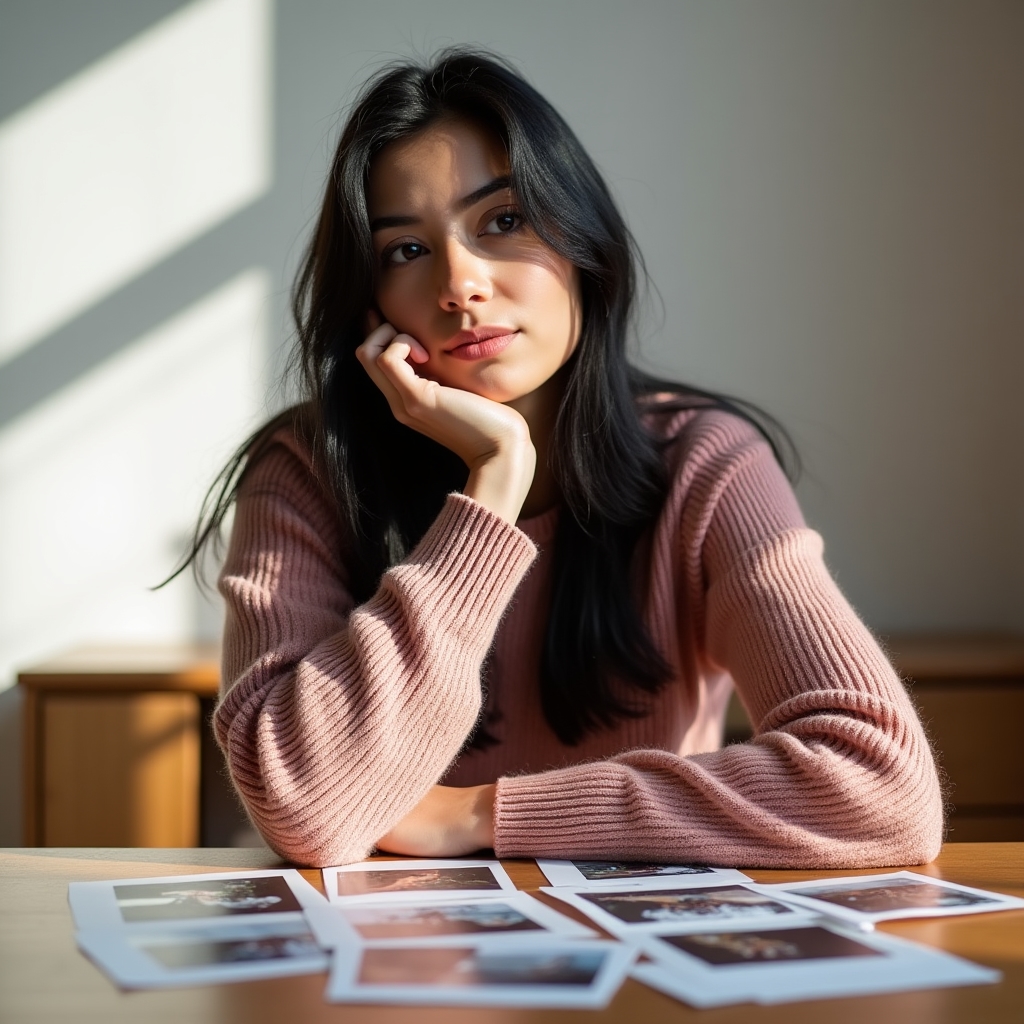
Review your existing photos to identify recurring choices in color, subject, and framing worth building on.
Each lesson runs 8 to 15 minutes and focuses on one idea, like reading side light or framing negative space.
Practice the concept using your own phone or camera in a space you already have access to, no special location required.
Upload a photo or two to your course dashboard and get written feedback focused on the specific lesson topic.
Courses stay open with no expiration, so you can revisit a lesson months later when a concept clicks differently.
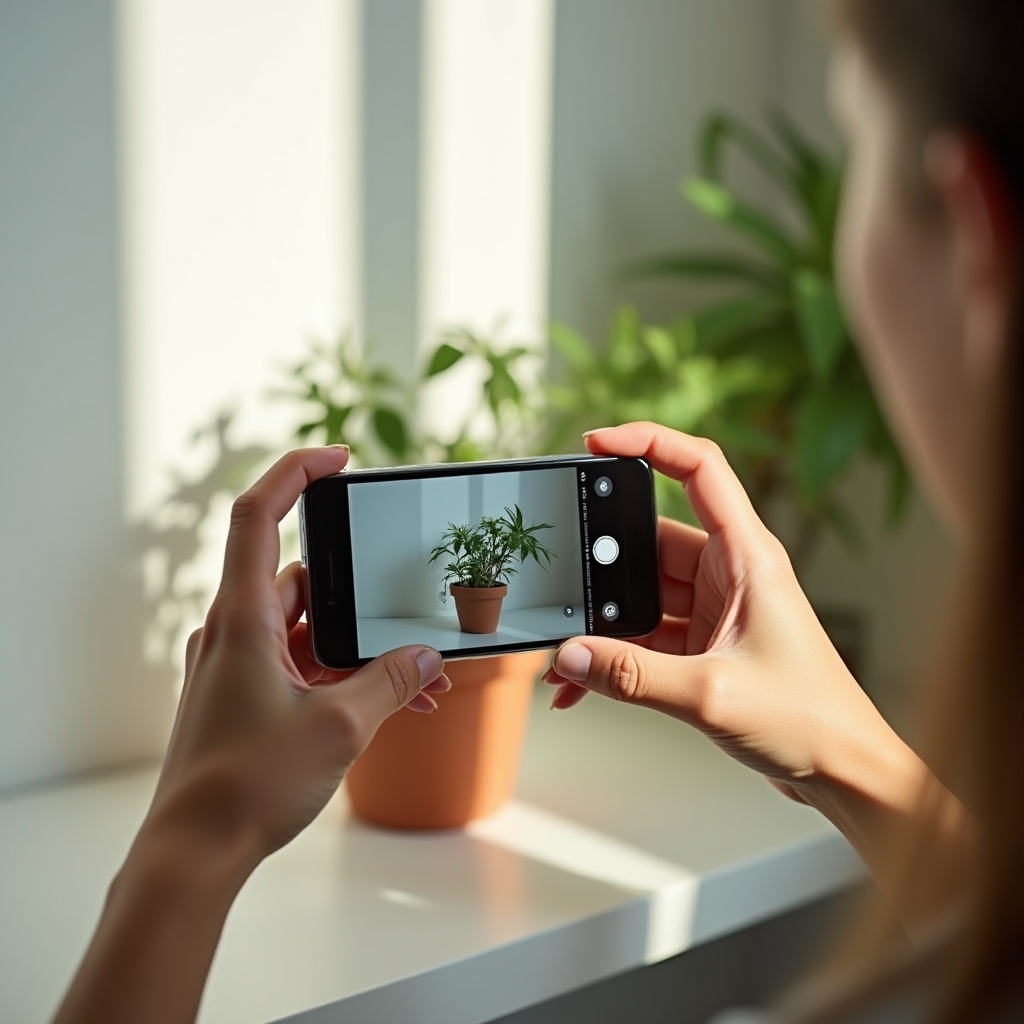
It's common to assume a better photo requires a better camera. Most of the time, what's missing is a clearer sense of light, framing, and timing, things a camera upgrade doesn't teach on its own.
Our courses were built around ordinary equipment on purpose. Some lessons are shot entirely on a phone. Others use an entry-level mirrorless body. The goal isn't the equipment in the demonstration, it's the decision-making behind the shot.
Look through composition, light, and editing courses at your own pace, and pick the one that matches where your photos need the most work right now.
View CoursesRead through a full breakdown of how lessons, practice assignments, and feedback fit together before committing to a course.
How We WorkNo. Every course is designed to work with a smartphone camera or an entry-level camera. Lessons focus on light, framing, and editing decisions that apply regardless of which device captured the photo.
Yes. The beginner track assumes no prior background in photography, art, or design. Concepts are introduced one at a time and built on gradually.
Lessons reference free and low-cost mobile and desktop editing apps. No paid professional suite is required to complete any course.
Course length varies, but most run between 7 and 10 lessons of roughly 10 minutes each. There is no deadline, so pacing is left up to you.
Some courses include an option to submit existing photos for a written critique tied to that lesson's topic, rather than requiring a brand new shoot.